
-
Learn more

Drawing and Talking allows individuals to discover and communicate emotions through a non-directed technique, setting it apart from existing solution-focused and cognitive-based therapies and interventions
Learn more
Creators of a global proactive intervention intended to complement rather than replace the work of Specialist Mental Health Services
-
Full day courses
Drawing and Talking has proved invaluable with secondary aged students who find it difficult to talk about their emotions.
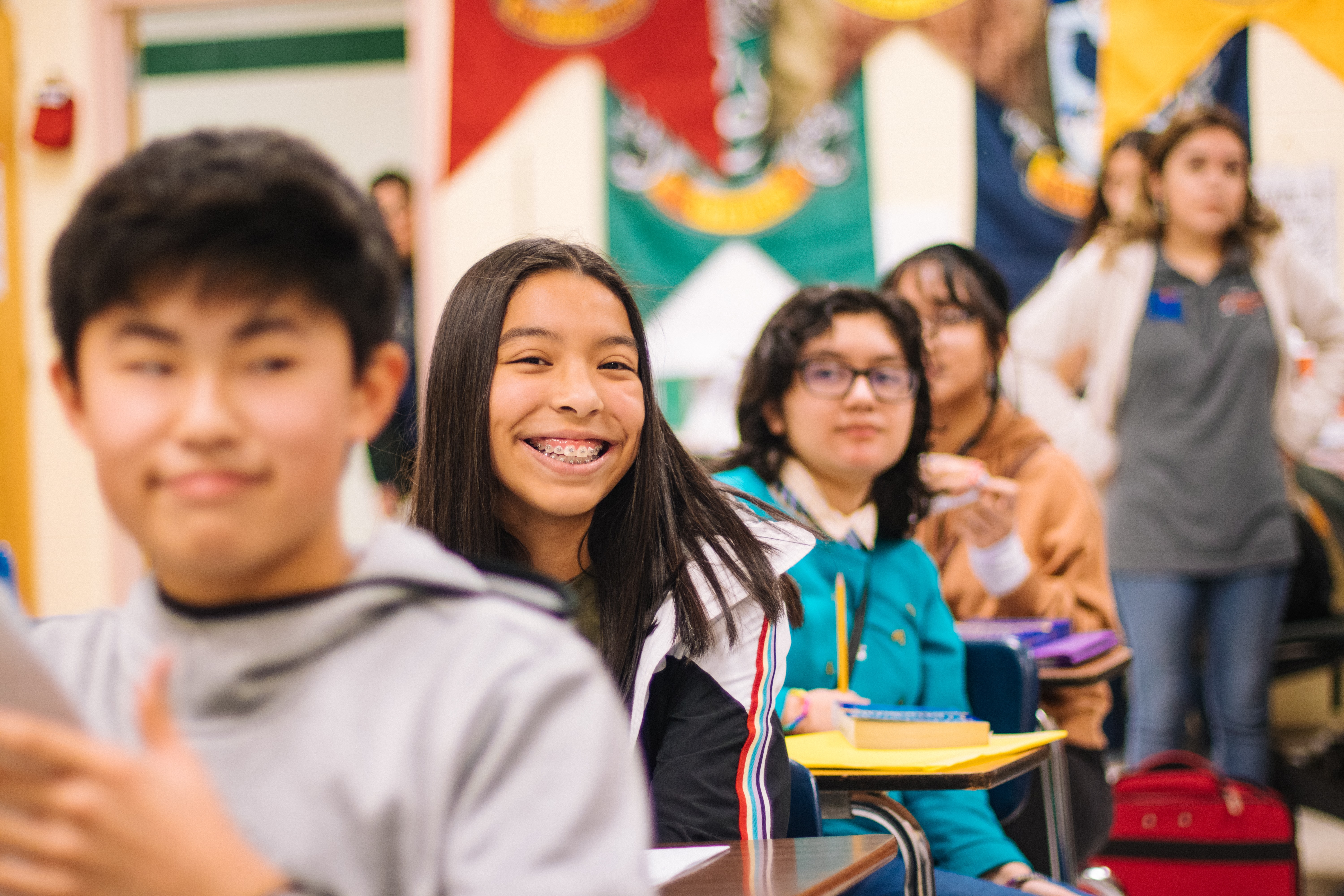
Our team's commitment to high quality services provides you with peace of mind.
Individuals
Creators of global proactive intervention intended to complement rather than replace the work of Specialist Mental Health Services.
Organisations
In-house training days are the most cost effective way to train groups of 20 or more staff in the Drawing and Talking therapeutic technique. We offer both Zoom and in-person options.
-
Short courses
Drawing and Talking has proved invaluable with secondary aged students who find it difficult to talk about their emotions.
Drawing and Talking allows individuals to discover and communicate emotions through a non-directed technique, setting it apart from existing solution-focused and cognitive-based therapies and interventions
Short Courses
Our short courses provide 2.5 hours of CPD and can be completed by anyone - not just graduates.

.png)