

LIFELONG THERAPEUTIC LEARNING:
Drawing and Talking allows individuals to discover and communicate emotions through a non-directed technique, setting it apart from existing solution-focused and cognitive-based therapies and interventions
Creators of a global proactive intervention intended to complement rather than replace the work of Specialist Mental Health Services
Drawing and Talking has proved invaluable with secondary aged students who find it difficult to talk about their emotions.
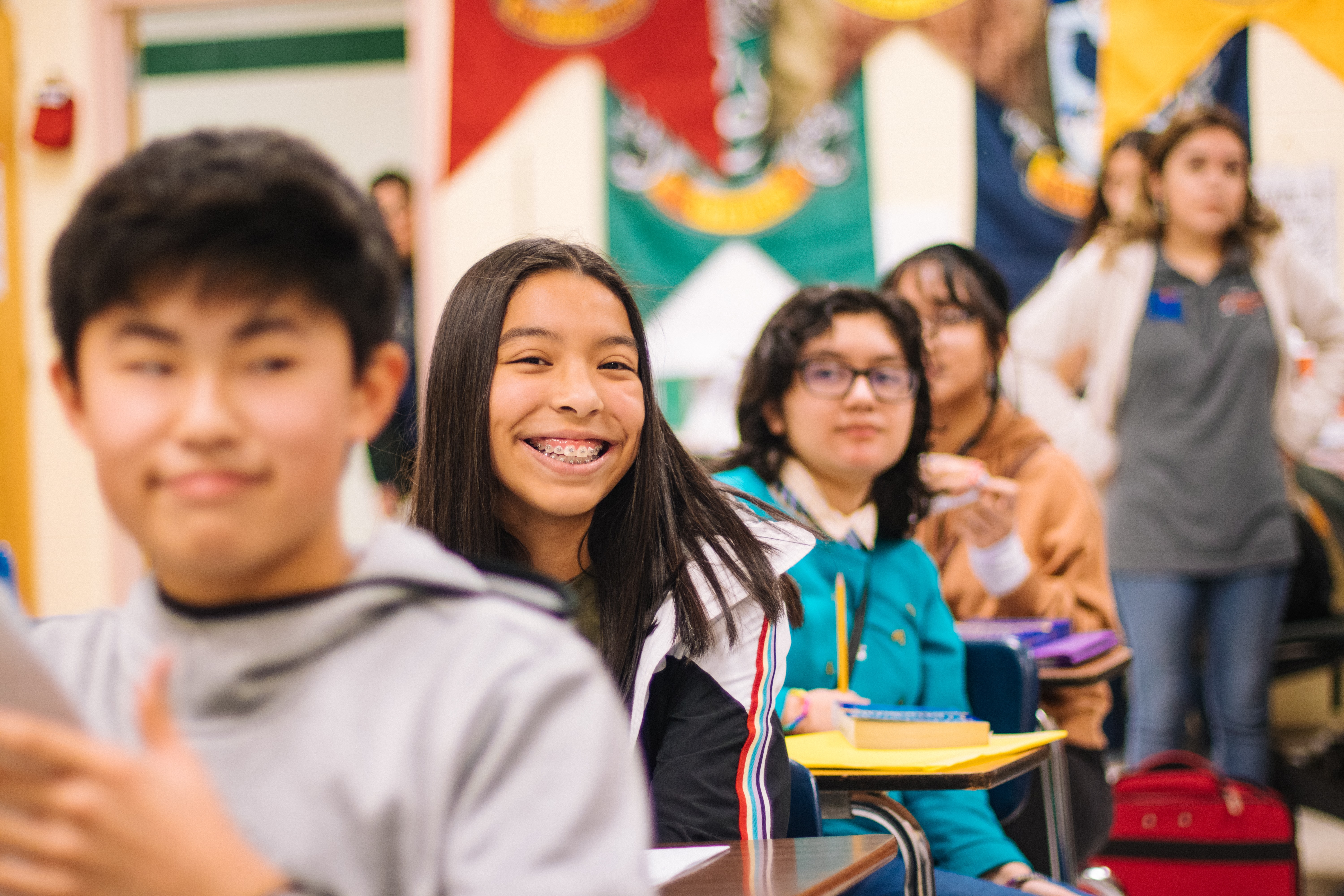
Our team's commitment to high quality services provides you with peace of mind.
Creators of global proactive intervention intended to complement rather than replace the work of Specialist Mental Health Services.
In-house training days are the most cost effective way to train groups of 20 or more staff in the Drawing and Talking therapeutic technique. We offer both Zoom and in-person options.
Drawing and Talking has proved invaluable with secondary aged students who find it difficult to talk about their emotions.
Drawing and Talking allows individuals to discover and communicate emotions through a non-directed technique, setting it apart from existing solution-focused and cognitive-based therapies and interventions
Our short courses provide 2.5 hours of CPD and can be completed by anyone - not just graduates.
In our 20-year history, we have built a community of 20,000 Drawing and Talking Practitioners.
Our Drawing and Talking Practitioners are committed to high-quality therapeutic support. Our Accredited Practitioners maintain an active Drawing and Talking Membership, which includes regular CPD and supervision and coaching. This ensures safe, reflective and effective practice.
As schools move towards the final term of the academic year, the focus often shifts to assessments, transitions, and preparing for what comes next. It can feel like the window for meaningful intervention is closing.
But in reality, the final term offers something different. It presents a unique opportunity.
There is still time to begin a 12-week Drawing and Talking intervention—and in many ways, this is when it can have the greatest impact.
For many children, the final term brings a complex mix of emotions. Alongside excitement about the future, there can be anxiety about change. New classes, new teachers, or even new schools.
These feelings are not always easy to express.
Drawing and Talking provides a safe, symbolic space where children can begin to process these experiences. Through their drawings, they can explore worries, make sense of change, and express emotions that may not yet have words.
By this stage in the year, children have experienced months of learning, relationships, and challenges.
A 12-week intervention creates space to gently look back:
This process of reflection helps children organise their experiences, rather than carrying them forward unresolved.
The final term can feel busy and unpredictable. Routines shift, expectations increase, and the pace often quickens.
Drawing and Talking offers something steady.
A consistent, protected space each week allows children to pause, regulate, and reconnect with a trusted adult. This sense of safety and predictability is particularly important during times of change.
Perhaps most importantly, Drawing and Talking supports children to begin looking ahead.
Through the symbolic process of drawing, they can explore:
Over time, this helps to build a quiet but powerful belief: “I can cope with what’s coming.”
Endings matter.
For some children, endings can feel abrupt or unresolved. A 12-week Drawing and Talking intervention in the final term allows for a planned, supported ending, one that brings a sense of completion and emotional containment.
This experience of a safe ending is something many vulnerable children may not have had consistently.
There can be a perception that the final term is too late to begin an intervention.
In practice, it is often the opposite.
It is a high-impact window, a time when children are naturally reflecting, anticipating change, and in need of emotional support.
Drawing and Talking at this stage helps children to:
And in doing so, it supports not just how they end the year—but how they begin the next.
For schools looking to strengthen their whole-school approach to wellbeing, the final term offers a meaningful opportunity to embed targeted support where it is needed most.
Because how we end the year matters.
April 1, 2026
April 1, 2026